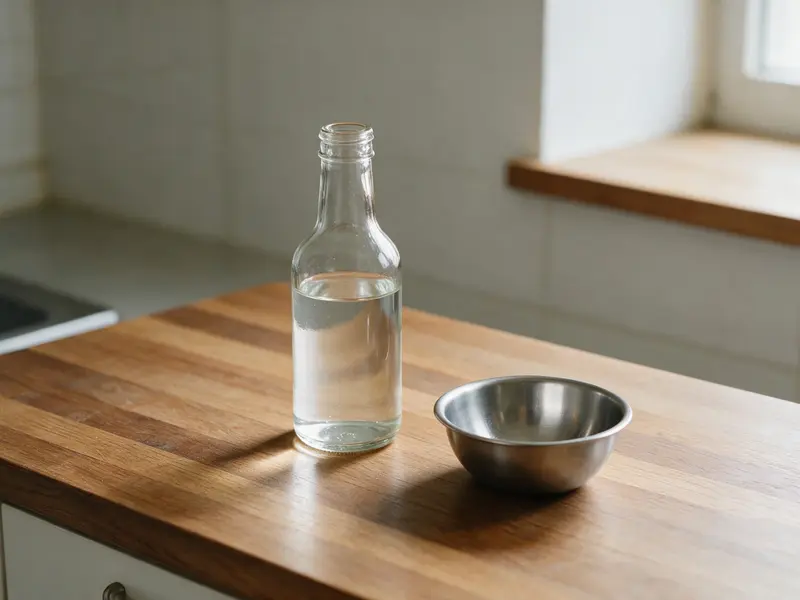
Vinegar
Clear, bright vinegar with a clean, piercing tang that sharpens fiery coastal curries and turns chillies and mangoes into glossy pickles.
Swaps
- lemon
- whey Few sources say this.
Keeping
Its acidity holds back microbes, so vinegar pickles keep well; a sweet-sour sugar-and-vinegar chutney keeps about a year chilled.
Goes well with
Used in
Paneer, Mixed vegetable pickle, Herbal vinegar, Aloo bukhara chutney, Kalakand, Rasmalai, Cham cham, Shalgam gobhi achaar, Sweet corn soup, Paneer (homemade), Kasundi (fermented mustard), Ladi pav, Sharbat
Regions
Rajasthan, Goa, Goa (where it comes from)
Tradition
Vinegar is the main souring agent in Goan Catholic and Parsi cooking, such as vindaloo and sali boti; Calcutta cooks used fruity jamun vinegar.
Seasonal food wheel
- On the tongue: Rich
- After the meal: Tangy
- Warmth: warming
- Texture: smooth
- Best seasons: late winter, spring
Questions answered
Useful tips
- Add a little vinegar if pickle mangoes are not sour. A couple of tablespoons of vinegar can optionally be added to kadumanga achar.
- Vinegar in Indian cooking is regional. Indian vinegar is very regional; Calcutta cooks used fruity jamun vinegar, and a fruity vinegar is better than a harsh one. Few sources say this.
- Vinegar green chilli pickle. Salt sliced green chillies about 2 hours, add vinegar and refrigerate at least a day before use; the pickle keeps about a year in the fridge. Few sources say this.
- Garlic can turn vinegar blue. Garlic steeped in vinegar sometimes turns the vinegar teal blue. Few sources say this.
- Making a herbal vinegar. Fill a jar loosely with chopped fresh herb (about half full if dried), top with vinegar, shake now and then, and strain when it tastes right, usually 2–4 weeks. Few sources say this.
- Ginger-garlic herbal vinegar. Cover grated ginger, garlic and other pungent roots with cider vinegar in a sealed jar, steep 3 to 4 weeks, then strain and sweeten with honey. Few sources say this.
- Vinegar and oil help a chutney keep. Vinegar stirred in at the end adds tang and helps a fruit chutney last; a fresh fruit chutney without vinegar or much oil does not keep well.
- Measure the salt in vinegar pickles. Follow the recipe salt for vinegar pickles: too much toughens the vegetables and too little lets them soften. Few sources say this.
- Making herbal vinegar. Pour the vinegar over the herbs boiling hot, then let it cool before setting the bottle aside to infuse. Few sources say this.
- Vinegars and herbs for herbal vinegar. Rice or cider vinegar both work, with oregano, rosemary, tarragon or thyme; a small whole chilli or a garlic clove can be added. Few sources say this.
- Vinegar goes in last. In recipes that use them, vinegar and spring onion greens usually go in at the very end, just before the heat is switched off. Few sources say this.
- Vinegar sours Goan Catholic and Parsi dishes. Vinegar is a key souring ingredient in Goan Catholic cooking, as in vindaloo.
- Pickle spoilage comes from unsterilised jars, weak vinegar and loose measuring. Pickle spoilage is linked to unsterilised jars, weakened vinegar and inaccurate measuring.
- Vinegar pickles are not ferments. Vinegar quick pickles are not fermented and follow different safety rules from lacto-ferments.
- Quick vinegar carrot-onion pickle. Keep a jarred vinegar carrot-onion pickle somewhere dark for a day, then refrigerate; it keeps 7–10 days in the fridge. Few sources say this.
- Vinegar is added separately in vindaloo. Vindaloo powder contains no vinegar; the vinegar is added separately and is what sets vindaloo apart from other curries. Few sources say this.
- Vinegar red chilli paste. Dried red chillies soaked about an hour in vinegar and blended with green chillies and roasted pepper keep up to 6 months in the fridge. Few sources say this.
- Synthetic vs naturally fermented vinegar. Synthetic vinegar is just diluted acetic acid and must be labelled so, while fermented vinegar comes from fruit, malted cereals, molasses, jaggery or cane juice with no added acetic acid. Few sources say this.
- Do not cut back salt, vinegar or oil in pickle. Follow a tested pickle recipe's salt, vinegar and oil proportions, and never cut the vinegar or salt on your own in a pickle meant to keep. Few sources say this.
- Rescue a crystallised or over-thick syrup. Rewarm crystallised syrup to dissolve it and add a little more lemon juice, or a few drops of vinegar; thin over-thick syrup with a little water.
- Lemon pickle tastes too salty. An over-salted lemon pickle often mellows as it ages, so give it time; or mix in a little vinegar that has been boiled and cooled. Few sources say this.
- How much acid to split milk. Typical amounts per litre: 1–1.5 tbsp vinegar, about 3 tbsp lemon juice, or 2–2.5 g (about ½ tsp) citric acid.
- Winter mixed pickle sours in three to four days. Packed with mustard, spices, oil and vinegar or lemon, the mixed vegetable pickle turns sour and is ready in three to four days; stir it every second day. Few sources say this.
- Stop potatoes yellowing or darkening in cooking water. Potatoes and onions turn yellow or brown in alkaline water or with aluminium or iron; a little lemon juice or vinegar in the cooking water prevents it.
- Cooking a mango chutney. Cook mango with sugar, spices and vinegar, covered, on low for 50–60 minutes, stirring now and then, until soft and thick; cool fully before jarring. Few sources say this.
- Souring agents and yields for paneer. For about 2 litres of milk use 2 cups whisked yogurt, a quarter to half cup lemon or lime juice, 3-4 tablespoons vinegar, or a litre of buttermilk.
- Use a non-reactive pan for acidic chutneys. Cook vinegar-based chutney preserves and tamarind or mango sauces in a non-reactive pan. Few sources say this.
- Quick cucumber pickle. Salt cucumber slices an hour, cook briefly with tempered spices and vinegar, and chill 2 days before eating; it keeps about 6 months chilled. Few sources say this.
- Pickled garlic and garlic oil. Garlic can be pickled in tamari and vinegar or used to flavour an oil. Few sources say this.
- Sweet-sour base for shalgam gobhi achaar. Dissolve the jaggery in the vinegar first, then stir the mixture into the pan; one source adds it to the hot spiced oil.
- Keeping ants off kitchen counters. A half-and-half solution of white vinegar and water can wipe away ant scent trails on counters, along with cleaning spills promptly. Few sources say this.
- Remove burnt marks from a pressure cooker quickly. Tackle burnt marks with baking soda soon, because they set harder with time; lemon or vinegar helps with dull marks and smells. Few sources say this.
- Choosing an acid for paneer. Vinegar sets milk into firm curds, lemon adds a gentle tang, curd makes a softer paneer, and citric acid leaves the purest milk taste. Few sources say this.
- Curry powder as a keeping paste. Curry powder can be fried with equal parts vinegar and water into a paste and kept in a sterilised jar in the fridge. Few sources say this.
- Acid for homemade paneer. Lemon juice or white vinegar both split milk for paneer; add it a teaspoon at a time and stop once the milk splits.
- What to split milk with for chhena. Milk for chhena can be split with lemon or lime juice, white or cider vinegar, or 2 to 3 tablespoons of curd.
- Souring agents and their acids. Tamarind gives tartaric acid, lemon citric acid and vinegar acetic acid, and kokum is also used for sourness; tamarind additionally thickens a dish. Few sources say this.
- Acid brightens red pigments; alkali turns them blue-green. Lemon juice or vinegar intensifies the red of beetroot and similar foods, while an alkaline medium such as soda turns their anthocyanins blue-green.
- Acid helps food keep. Acid conditions hold back many microbes, so vinegar, lime juice and the lactic acid that forms in dahi all lengthen keeping time. Few sources say this.
- Why acid splits milk for paneer and chhena. Acid makes milk's casein clump together as the pH falls to about 4.6–5.2, and that is how lemon juice, vinegar or sour whey turn hot milk into paneer or chhena.
- Cold, slightly acidic storage keeps cheese longer. Cold storage and a lower surface pH lengthen cheese life, for example wrapping it in a vinegar-dampened cloth and refrigerating it. Few sources say this.
- Acid preserves best combined with heat. Acid preserves food by damaging bacterial proteins, which is how vinegar pickles work, but it does not always sterilise; acid plus heat is more effective. Few sources say this.
- What pickling is. Pickling preserves food in a liquid, usually vinegar or brine, whose acidity or salt holds back microbial activity. Few sources say this.
- What makes a jhalfrezi. A jhalfrezi is built on plenty of vegetables and tomato soured with vinegar or lemon; northern versions use coriander and turmeric, southern ones curry leaves and coconut. Few sources say this.
- How long cooked tomato chutneys keep. A spiced, tamarind tomato chutney cooked thick keeps about 2 months in the fridge; a sweet-sour sugar-and-vinegar one keeps about a year chilled. Few sources say this.
- What to serve with vindaloo. Very hot, tangy vindaloo often pairs well with sweeter or starchy vegetables and plain rice, which balance it. Few sources say this.
- Wash leafy greens well and cook food thoroughly in the monsoon. In the monsoon, wash leafy greens under running water, rubbing off dirt, and cook greens and all food thoroughly rather than eating anything undercooked.
- How salt and acid preserve pickles. In pickles, salt draws water out of the fruit or vegetable into a brine, and organic acids slow bacterial growth; together they preserve the pickle. Few sources say this.